Businesses now understand the value of customer satisfaction in driving loyalty and retention in today’s competitive market. To achieve this, they must gain a deeper understanding of customer needs. Analyzing customer data and feedback helps businesses identify areas for improvement. They can then tailor services to meet customer expectations. By examining customer expectations, network performance, and personalized experiences, businesses can create a loyal customer base. The key is to elevate customer satisfaction by understanding what customers want. This starts with analyzing customer data to identify areas for improvement. By doing so, businesses can drive customer satisfaction and loyalty.
Key Takeaways
- Analyze customer data to identify key areas for improvement and understand customer needs and preferences.
- Prioritize network performance to meet customer expectations of seamless connectivity and rapid data transfer.
- Implement strategic upgrades and leverage analytics to optimize network performance and enhance customer experience.
- Focus on creating personalized customer experiences through emotional connections, tailored interactions, and humanized service.
- Regularly evaluate customer satisfaction through surveys, feedback forms, and social media analytics to inform service enhancements.
Understanding Customer Expectations
Delving into the domain of customer satisfaction, it becomes increasingly clear that understanding customer expectations is an essential first step in elevating the overall experience. As organizations aim to build lasting relationships with their customers, it is essential to grasp the nuances of customer expectations. This involves analyzing customer data, gathering feedback, and observing behavior patterns. By doing so, businesses can identify key areas of improvement and tailor their services to meet customer needs.
In the context of optimizing network performance, understanding customer expectations is particularly pivotal. Customers expect seamless connectivity, rapid data transfer, and reliable network services. To meet these expectations, organizations must prioritize network performance and invest in infrastructure that supports high-quality services. By doing so, they can foster a sense of trust and belonging among their customers, ultimately leading to increased satisfaction and loyalty. By understanding customer expectations, businesses can proactively address potential pain points and create a more positive experience for their customers.
Impact of Network Performance
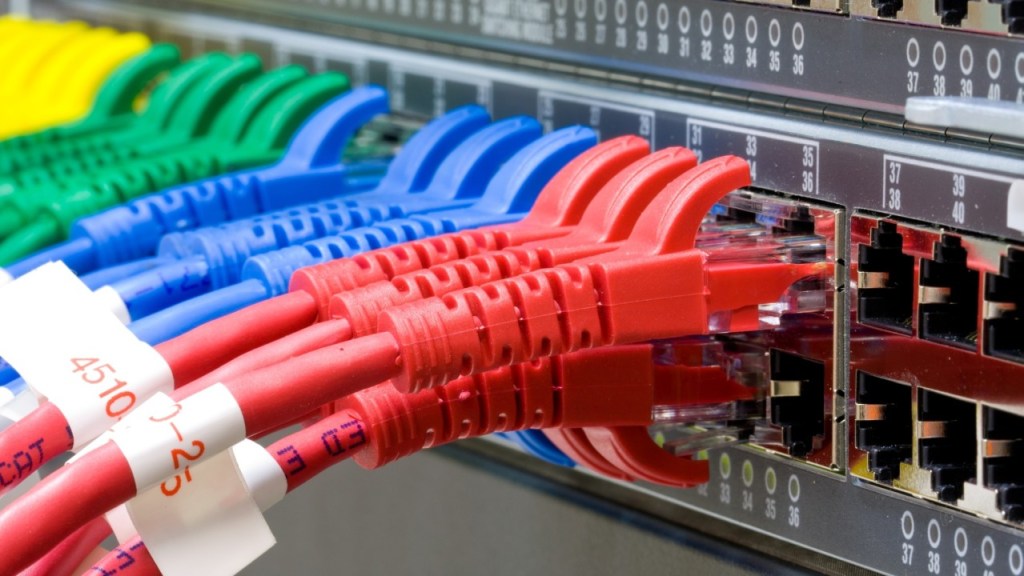
The intersection of customer expectations and network performance has a profound impact on the overall customer experience. In today’s digitally connected world, customers expect seamless and efficient interactions with businesses. When network performance is subpar, it can lead to frustration, disappointment, and ultimately, a loss of trust. To elevate customer satisfaction, it is essential to understand the impact of network performance on the customer experience.
Network performance issues can have far-reaching consequences, including:
- Delayed transactions and prolonged wait times lead to feelings of frustration and helplessness
- Dropped calls and disconnected sessions, resulting in wasted time and effort
- Slow load times and poor website performance, cause customers to seek alternative options
Optimizing Network Performance
Boosting network performance is pivotal to elevating customer satisfaction, as it underpins the entire customer experience. In today’s digital age, customers expect seamless and efficient interactions with companies. To achieve this, businesses must prioritize optimizing network result. This involves proactively monitoring network infrastructure, identifying bottlenecks, and implementing strategic upgrades to enhance speed, reliability, and security.
Optimizing network performance requires a data-driven approach, leveraging analytics and performance metrics to inform decision-making. By analyzing network usage patterns and user behavior, companies can pinpoint areas for improvement and develop targeted solutions. Additionally, implementing cloud-based technologies and edge computing can help reduce latency and improve real-time responsiveness.
Effective network optimization also involves fostering collaboration between IT teams, network administrators, and customer-facing staff. By sharing knowledge and expertise, these groups can work together to identify and resolve network issues quickly, minimizing downtime and ensuring a superior customer experience. By prioritizing optimizing network performance, businesses can build trust, enhance customer loyalty, and drive long-term growth. By doing so, companies can create a robust foundation for delivering exceptional customer experiences and driving business success.
Personalized Customer Experience
Several key elements underpin a truly personalized customer experience, elevating it from a transactional exchange to a meaningful and memorable interaction. Building on the foundation of optimizing network performance, a personalized experience is vital in elevating customer satisfaction. It acknowledges the customer’s individuality, preferences, and history with the brand, creating a sense of belonging and loyalty.
A personalized customer experience can be achieved through various means, including:
- Emotional connections: Understanding and empathizing with customers’ emotions and pain points, and responding accordingly.
- Tailored interactions: Customizing communication channels and content to cater to individual customers’ preferences and needs.
- Humanized service: Empowering customer service representatives to make decisions and take actions that demonstrate a genuine interest in customers’ well-being.
Measuring Satisfaction Levels
Measuring satisfaction levels is a vital step in understanding the effectiveness of a personalized customer experience and optimizing network performance. By regularly evaluating customer satisfaction, businesses can identify areas for improvement and make data-driven decisions to enhance their services. Effective measurement tools include surveys, feedback forms, and social media analytics, which provide valuable insights into customer perceptions and preferences.
Analyzing satisfaction levels helps businesses understand the impact of their personalized customer experience on customer loyalty and retention. By tracking key performance indicators (KPIs) such as customer satisfaction scores, net promoter scores, and retention rates, businesses can evaluate the effectiveness of their strategies and make adjustments as needed. Additionally, measuring satisfaction levels enables businesses to identify trends and patterns in customer behavior, which can inform the development of targeted marketing campaigns and tailored customer experiences. By prioritizing the measurement of satisfaction levels, businesses can optimize their network performance and drive long-term growth and success.
Conclusion
Elevating customer satisfaction is a multifaceted endeavor that requires a data-driven approach. By analyzing customer expectations, optimizing network performance, and delivering personalized experiences, businesses can drive loyalty and retention. Strategic investments in infrastructure and analytics are vital in enhancing network performance and reducing frustration. Effective measurement of satisfaction levels enables businesses to identify areas for improvement, ultimately setting them apart in a competitive market and fostering long-term customer relationships.

 GuardianShield Pro